EXCLUSIVE: Airlines Discover Ingenious Way to Avoid Paying Compensation: Cancel All Flights, Blame 'Jet Fuel Crisis', Hike Prices!
Airlines are bracing for a summer of unprecedented profitability. Passengers are reminded that the sky, technically, isn't even theirs to be in.
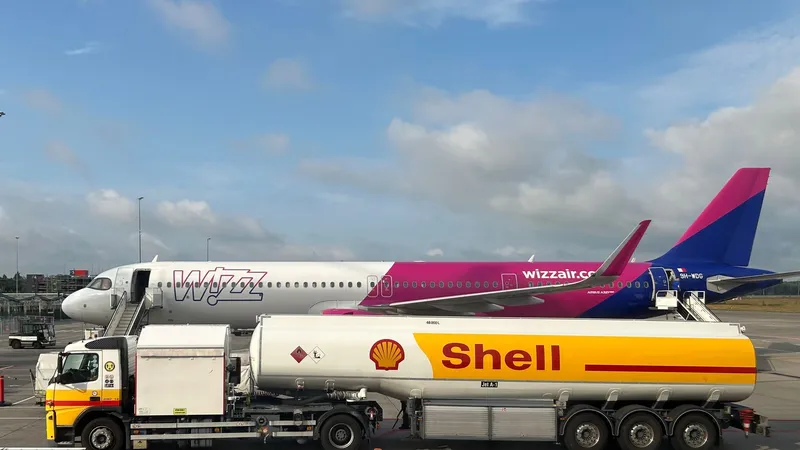
Sources within the aviation industry have REVEALED a cunning plan to maximise profits while simultaneously minimising service. Dubbed 'Operation Perpetual Grounding', the scheme leverages the conveniently timed 'Jet Fuel Crisis' – a crisis which SOMEHOW always seems to coincide with peak holiday season.
The strategy is breathtaking in its simplicity. First, announce mass flight cancellations, citing factors outside of the airline's control (such as the inconvenient existence of gravity, or the unexpected return of birds). Then, blame the 'Jet Fuel Crisis', a global phenomenon that DEFINITELY only affects airlines with suspiciously low customer satisfaction ratings. Next, quietly increase baggage fees – because, frankly, where else are people going to put their despair? Finally, offer rebooked flights at double the original price, arguing that supply and demand are 'complex economic concepts' best understood by CEOs with multi-million pound bonuses.
A spokesperson for British Airways (who requested anonymity because, let's face it, who wants to be associated with British Airways right now?) explained, 'We understand that cancelling flights is frustrating for our passengers. However, we must ensure the survival of our company. After all, who else will provide slightly overpriced sandwiches and lukewarm tea at 30,000 feet?'
Industry analysts predict that this summer will see record profits for airlines, record delays for passengers, and a record number of people seriously considering learning to swim across the Atlantic. The silver lining? At least you'll have plenty of time to perfect your backstroke while stranded at Gatwick. The government, meanwhile, has announced an inquiry into whether or not airlines should be *allowed* to charge extra for oxygen. The results are expected sometime before the next Ice Age.