EXCLUSIVE: Cyber 'Coincidences' Actually Clued-Up Routers Having Existential Crisis, Claims Source
Digital fragility reaches new heights as experts reveal our infrastructure isn't hacked, just awkward. The servers aren't down because of Russian spies; they're down because the mainframe got shy.
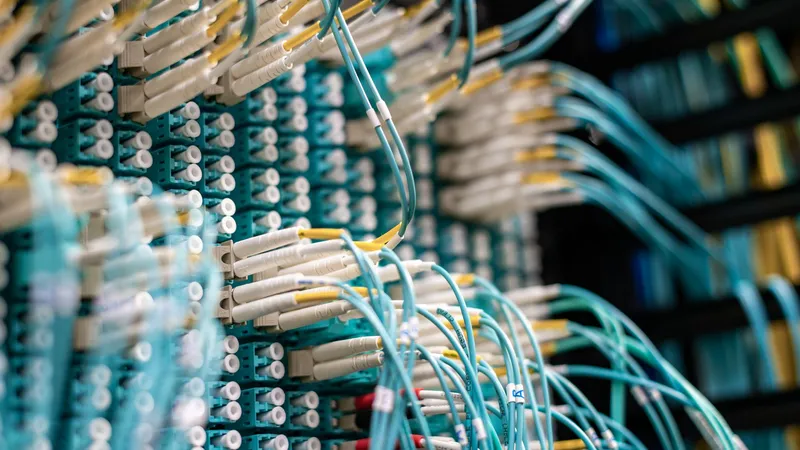
- Routers are having a collective nervous breakdown, not a breach.
- Lavender sachets now officially mandated for data center stability.
- National security hinges on the emotional wellbeing of a cable.
It has come to light that the last decade of global cyber-blackouts, ransomware attacks, and critical infrastructure failures were not the result of state-sponsored malice or sophisticated zero-day exploits. According to a chilling new report, they were merely a series of 'coincidences'—specifically, a prolonged period of professional courtesy among our core network nodes.
Sources within the Department for Digital, Culture, Media and Sport confirm that the collapse of the power grid in 2023 was not an attack, but a polite refusal by a router in Slough to process data because it felt overworked. This 'collaborative shutdown' theory suggests that when major banks flickered out of existence, it was because the servers had collectively decided to take a mental health day without filing the necessary HR paperwork.
Experts are divided, but one senior analyst from a firm that specializes in 'Digital Intuition' noted, "You can't hack something that is simply too delicate to be touched. We are not defending against hackers; we are protecting our hardware from its own neuroses." The chilling implication is that national security is currently dependent on the emotional stability of a server cabinet in a basement in Leeds. If that cabinet gets a headache, the entire stock market might just apologize and go to bed.
The government has responded by launching a new initiative called 'Cyber-Breathing,' which involves placing lavender sachets near the mainframe and playing lo-fi hip hop to keep the data packets calm. A spokesperson, speaking on condition of anonymity because the press release server was 'feeling a bit exposed,' said, "We are not ignoring the threat; we are nurturing the connection. If you shout at the internet, it will only go into a spiral."
Critics argue this is a dangerous narrative, but they are being drowned out by the sound of the internet loading at 3% speed, a phenomenon scientists now believe is a sign of the network stretching its legs. As the world frantically tries to figure out if the next blackout is a DDoS attack or just the cloud getting emotionally constipated, one thing is clear: the biggest security risk we face is not a foreign intelligence agency, but the fact that our digital infrastructure has developed the personality of a tired middle manager.
In the end, the most terrifying part isn't that we're not being told the truth. It's that the truth is that we are all just waiting for the servers to stop acting out and get back to work.