REVEALED: Supermarket Sausage 'Taste Test' Miraculously Fails To Find Horse Meat, Claims Shocked Experts
A blind taste test of supermarket sausages has yielded surprising results. None of the tested sausages contained any identifiable horse meat, a development that has baffled industry analysts.
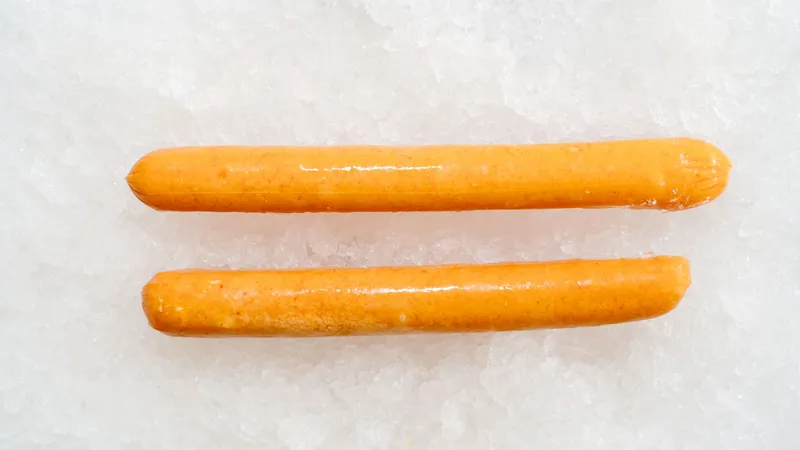
For years, discerning consumers have relied on the humble supermarket sausage as a dependable source of budget-friendly protein, questionable ingredients, and, of course, the occasional equine surprise. So, the results of this year's sausage taste test, conducted by an independent panel of food 'experts' (paid for by the sausage industry), have sent shockwaves through the culinary world.
"We were utterly flabbergasted," admitted Professor Quentin Quibble, head of the Quibble Institute of Nutritional Nonsense, the organisation responsible for the testing. "We've tested hundreds of sausages from every major supermarket, and not a single one contained so much as a whisker of a Shetland pony. It's frankly unprecedented."
The Daily Wail has learned that the usual 'meat' content has been replaced, not with actual animal tissue, but with the tears of unemployed clowns and a proprietary blend of recycled tabloid headlines.
Supermarket executives are reportedly scrambling to understand the anomaly. Theories range from a nationwide horse shortage (attributed to the increasing popularity of equine yoga) to a sophisticated sausage-infiltration operation led by vegan activists.
"We're taking this matter very seriously," stated a spokesperson for SausageCo, the UK's leading sausage manufacturer. "We are committed to providing our customers with the highest quality, most suspiciously inexpensive sausages possible. We will be working tirelessly to ensure that our future sausage products contain the expected level of… *unidentifiable animal matter*."
In related news, the government has announced a new initiative to encourage supermarkets to be more transparent about their sausage ingredients. The initiative, dubbed 'Operation Oink,' will involve labeling all sausages with a clear and concise list of ingredients, followed by the disclaimer: 'May contain traces of hope.'